Did Marvel Want to Scrap the Dutch Angles in Kenneth Branagh's 'Thor'?
--
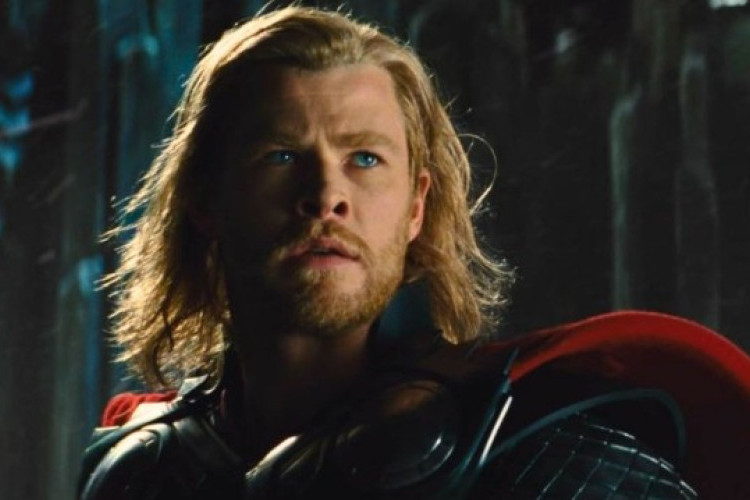
ASTON COMICS - When Marvel Studios released the film Thor in 2011, their cinematic universe was just getting started. Director Kenneth Branagh brought a highly unique approach to introducing the God of Thunder to the big screen.
One of the film's most distinctive aesthetic features was the extensive use of "Dutch angles" shots where the camera is tilted. However, an interesting fact later emerged: Marvel Studios had actually panicked and considered removing all those tilted shots during post-production.
Read more: Annoying Piece of Shit! SUMMERTIME Chapter 1 Eng Scan
What Is a Dutch Angle and Why Did Branagh Use It?
A Dutch angle (also known as a canted angle) is a filming technique in which the camera is intentionally tilted to one side. This visual effect results in a horizon line that is not parallel to the frame of the screen. In cinematography, the technique is typically used to convey psychological tension, emotional instability, madness, or a character's disorientation.
Branagh, who possessed a strong background in Shakespearean theater, deliberately chose this visual style for Thor. He felt that the story of Thor was defined by dramatic family dynamics, power struggles, and theatrical, comic-book elements.
Read more: Abnormal Change! Read Manhwa Please Let Me Be Proud Chapter 12 English Scanlation
The tilted camera angles seemed perfectly suited to reflect the world of Asgard majestic yet teetering on the brink of chaos as well as the internal conflicts experienced by Thor and Loki.
Marvel’s Panic and Plans for Change
Although Branagh felt his aesthetic choices were spot-on, Marvel Studios executives were initially very uneasy when viewing the raw footage (dailies).
The extreme Dutch angles used in nearly every dialogue scene raised concerns that the film would appear too bizarre and unconventional for mainstream audiences.
Read more: Everything Feels Worrying Now! SERENA Chapter 142 English Scanlation
Marvel even hired a post-production team to experiment with re-framing the tilted shots. This process involved zooming in on the image to restore a horizontal horizon line and then cropping out the resulting edges of the frame.
Marvel's plan to "save" Thor from the tilted camera angles was ultimately abandoned for two main reasons: excessive costs and a loss of image quality.
In 2011, digital technology was not as efficient as it is today. Zooming in and cropping a large portion of the high-resolution film footage would have taken months and consumed a massive chunk of the visual effects budget. Furthermore, digitally enlarging the raw footage would have resulted in pixelated and blurry visuals.
Read more: I Hope It Stays This Way! Read Manhwa Marriage of Convenience Chapter 144 with Scan English
Realizing that the cost of such corrections did not justify the outcome, Marvel ultimately gave up and allowed Kenneth Branagh's original vision to remain intact.
That forced decision by Marvel actually gave rise to one of the MCU films with the most unique visual identity. To this day, the 2011 Thor film is frequently discussed by movie enthusiasts precisely because of its bold use of Dutch angles. Branagh’s theatrical style successfully created a stark contrast between the cosmic grandeur of Asgard and the grounded reality of New Mexico.
Although subsequent sequels shifted toward more conventional and colorful visual styles under different directors, the first *Thor* film stands as a testament to the aesthetic experimentation that characterized the early days of the Marvel Cinematic Universe.